
Generative AI Development: Complete Guide for Developers Building AI Powered Applications
Generative AI development is rapidly becoming one of the most important skills for modern software engineers. With the rise of large language models, image generation systems, and AI assisted development tools, developers now have the ability to build applications capable of generating text, images, code, and complex digital content automatically.
In this guide we will explore how generative AI development works, the technologies behind it, and how developers can integrate generative AI into real world software applications.
What Is Generative AI Development?
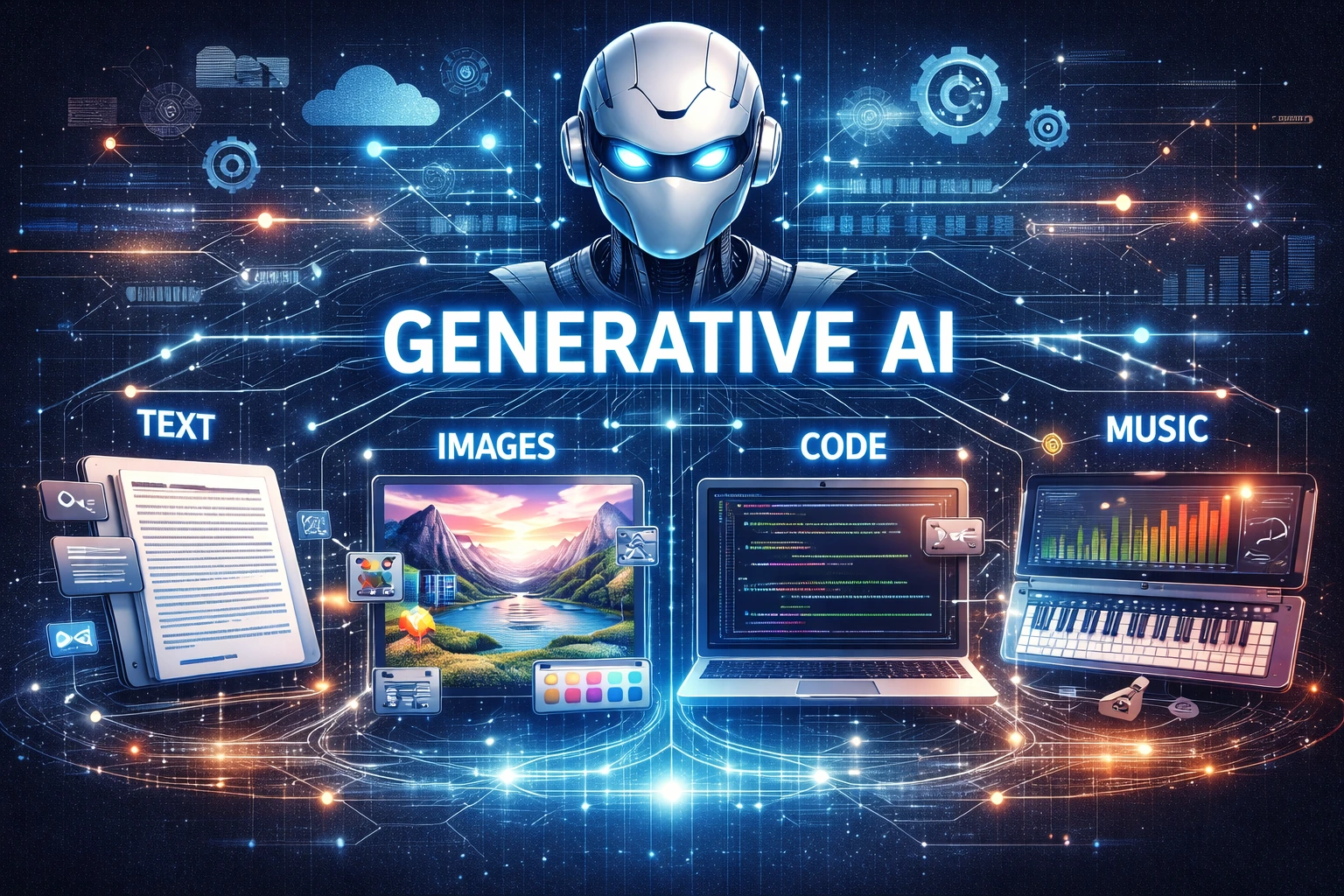
Generative AI development refers to building software systems that use artificial intelligence models to generate new content automatically. Unlike traditional software, which follows predefined logic, generative AI models learn patterns from large datasets and produce new outputs based on that knowledge.
For developers, generative AI opens up a completely new paradigm of application design. Instead of programming every possible response or output manually, developers can train or integrate AI models that generate responses dynamically.
Why Generative AI Is Transforming Software Development
Generative AI is transforming how developers design applications. Previously, building intelligent systems required complex machine learning pipelines and large datasets. Today, powerful APIs and cloud services allow developers to integrate advanced AI capabilities with only a few lines of code.
Major Advantages
- Automated content creation
- AI powered coding assistants
- Intelligent customer support systems
- Personalized user experiences
- Advanced data analysis
Because of these advantages, generative AI has become a key technology in industries such as SaaS, e-commerce, marketing automation and software engineering.
Core Technologies Behind Generative AI
Large Language Models (LLMs)
Large language models are neural networks trained on massive text datasets. These models can generate human-like responses, write articles, produce documentation and assist developers with coding tasks.
Diffusion Models
Diffusion models power many AI image generation systems. They work by gradually refining random noise into detailed images based on prompts provided by the user.
Transformer Architecture
Most modern generative AI systems use transformer architecture. This neural network design allows models to process large amounts of text efficiently and understand contextual relationships between words.
Popular Generative AI Development Tools
Developers building generative AI applications rely on a variety of tools and frameworks.
- OpenAI API
- LangChain
- Hugging Face Transformers
- TensorFlow
- PyTorch
- Stable Diffusion
These tools simplify the process of integrating AI capabilities into software applications.
Real World Generative AI Applications
AI Chatbots
One of the most common uses of generative AI is building conversational chatbots. These systems can answer questions, assist customers, and automate support workflows.
Content Generation Platforms
Marketing platforms now use generative AI to create blog posts, advertisements, and product descriptions automatically.
Code Generation Tools
AI coding assistants help developers write code faster by suggesting functions, generating boilerplate code, and identifying potential bugs.
Image Generation Systems
Design tools now integrate AI image generation models that can produce unique visuals based on text prompts.
Architecture of a Generative AI Application
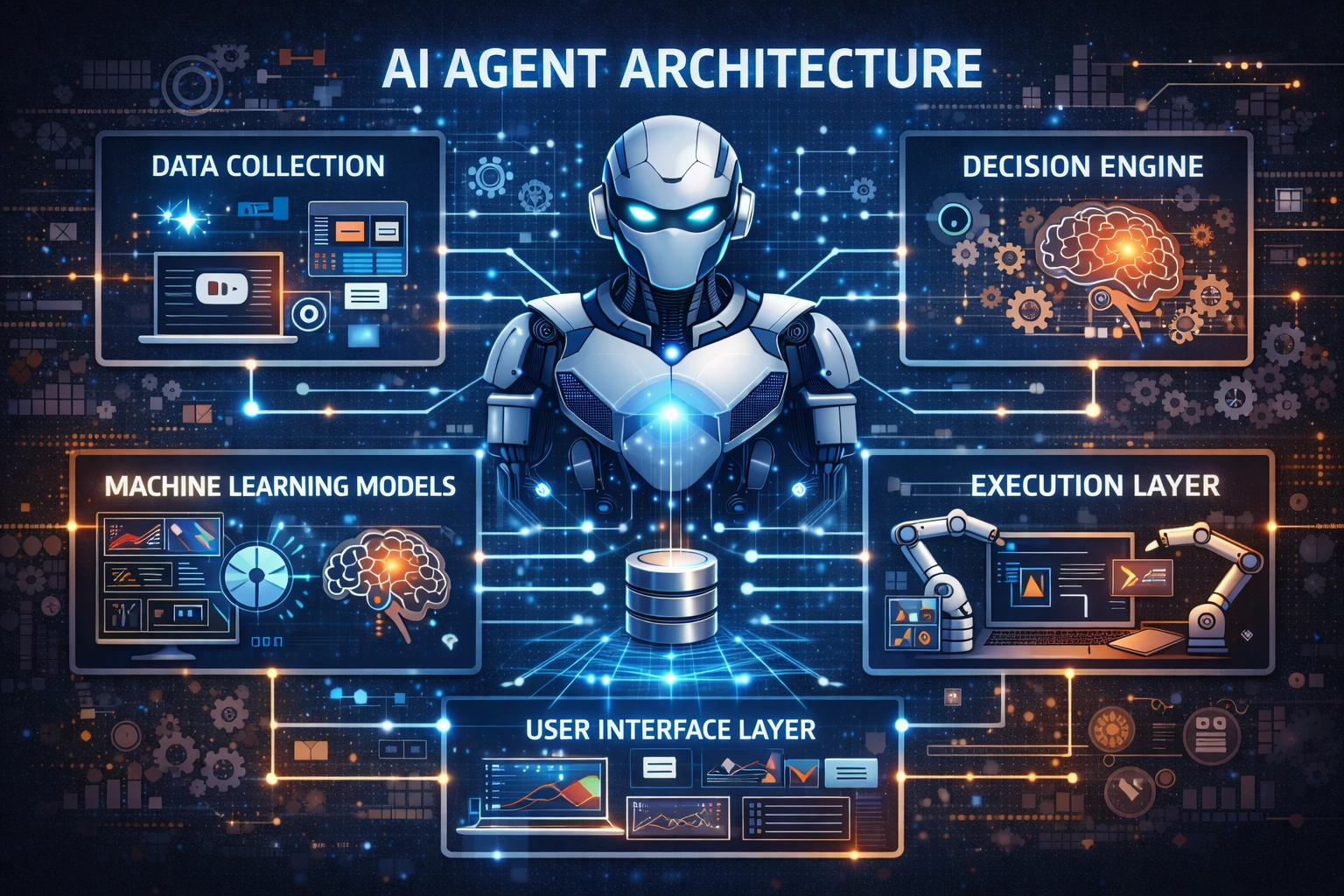
A typical generative AI application architecture includes several layers.
Data Layer
The data layer stores datasets used for training and evaluating machine learning models.
Model Layer
This layer contains the AI models responsible for generating outputs.
API Layer
APIs allow applications to communicate with the AI models and retrieve generated results.
Application Layer
The application layer provides the user interface where users interact with the AI system.
Challenges of Generative AI Development
Data Bias
AI models may produce biased outputs depending on the datasets used during training.
High Infrastructure Costs
Training large AI models requires powerful GPUs and significant computing resources.
Security Risks
AI systems must be carefully designed to prevent misuse or harmful outputs.
Best Practices for Developers
- Validate AI outputs before displaying them to users
- Monitor system performance continuously
- Use scalable cloud infrastructure
- Implement strict security policies
Future of Generative AI Development
The future of generative AI development is extremely promising. As models become more powerful and efficient, developers will be able to build applications that understand and generate content with unprecedented accuracy.
Generative AI will likely become a core component of nearly every modern application.
Conclusion
Generative AI development represents a major shift in how software applications are built. Developers who learn how to integrate AI models into their applications today will be well positioned for the future of software engineering.
If you are interested in automation systems you should also read our guide on AI Automation for Developers.